
National identity is a very topical subject, to put it mildly. The three works in DSQ’s autumn programme have overt affinities with particular nationalities while not being excessively nationalistic about it.
How we have somehow avoided programming Haydn’s ‘Emperor’ quartet Op 76 No 3 up to now is a bit baffling. It is one of Haydn’s most celebrated works, with a slow movement that has probably the best known and most played tune that he ever wrote.
Haydn was very impressed when visiting London twice between 1791 and 1795, with the role of the British national anthem “God save the King” in unifying and motivating people in a sense of national identity. Very aware of the imminent threat of the Austro-Hungarian empire being invaded by the French, under Napoleon, he and others felt that there was a need for an Austrian national anthem to help rally the nation. The result was “Gott erhalte Franz den Kaiser”, with words by Lorenz Leopold Haschka and music by Joseph Haydn.
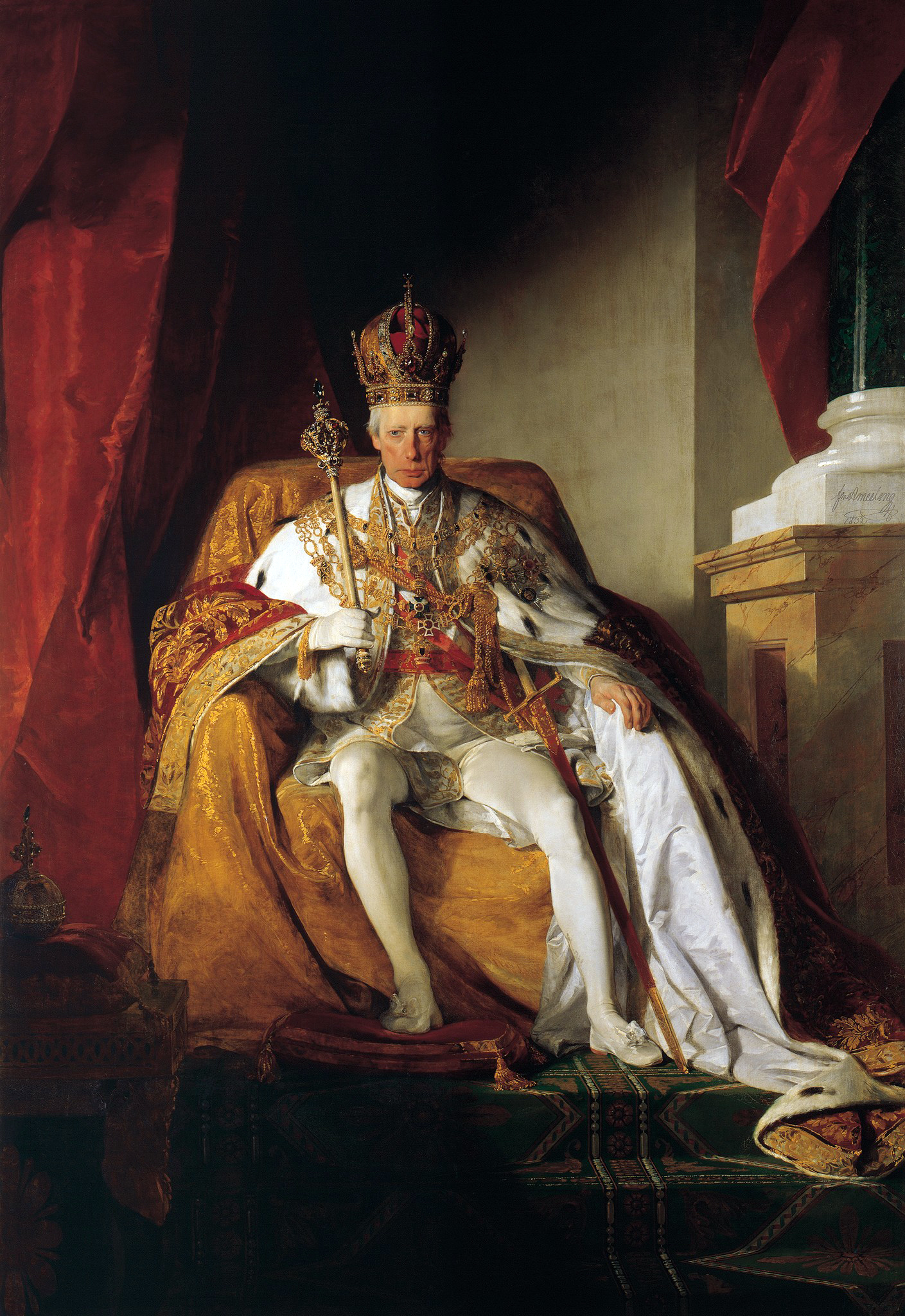
Franz II and I, Holy Roman Emperor (1768-1835) by Friedrich von Amerling c.1832
This tune (requisitioned years later for use as the German national anthem as we know it), Haydn thought to place at the heart of his Op 76 No 3 string quartet, written in the same year as the anthem. Haydn treats the tune to a set of variations, all four quartet members having a chance to play the theme accompanied by the others. It is gentle and dignified throughout, and utterly devoid of bombast, as if Haydn is suggesting that in grace and sensitivity there is strength.
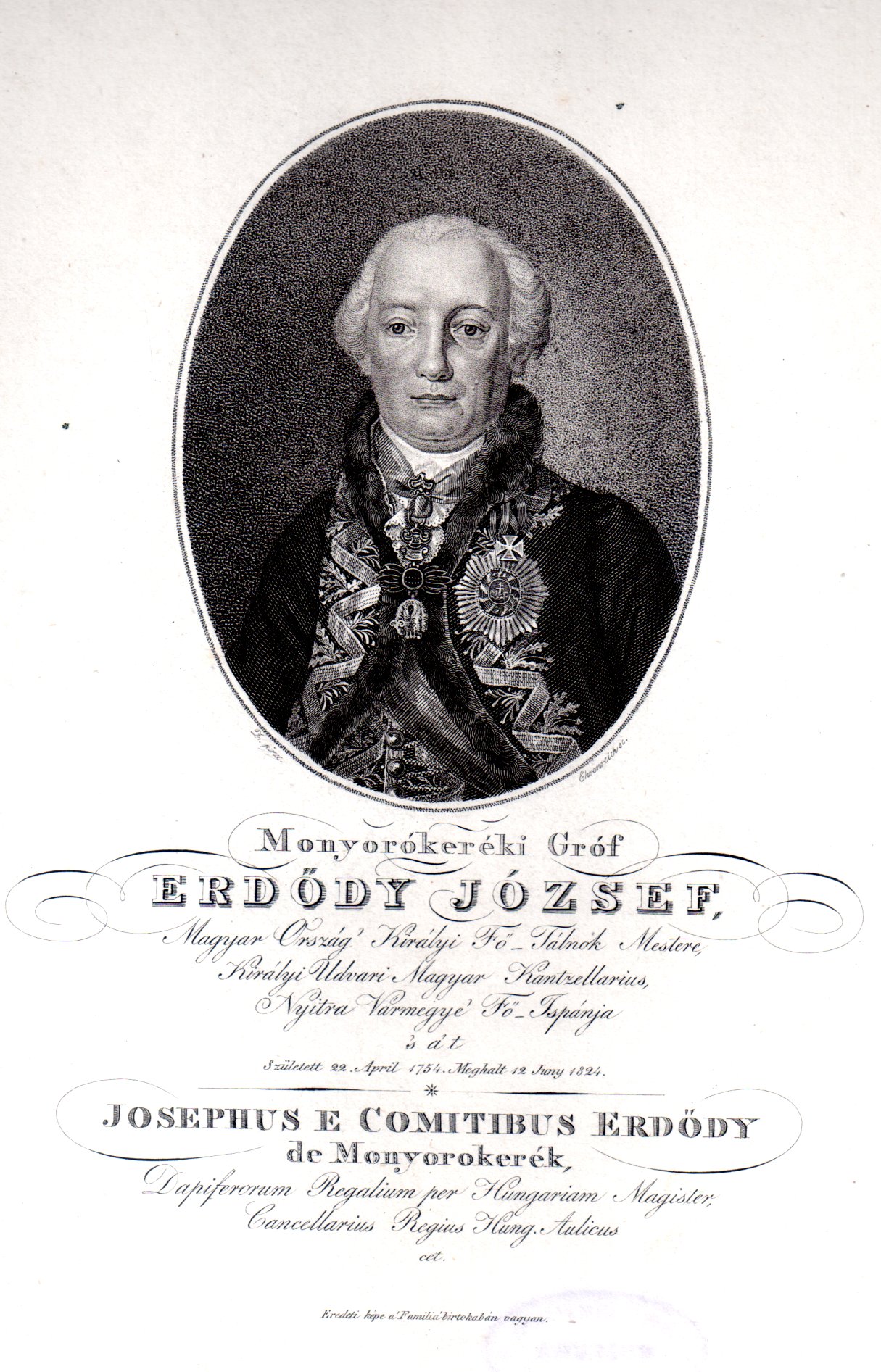
Count Joseph Erdody (1754-1824), dedicatee of Haydn’s Op 76 quartets
Frank Bridge’s composition teacher at the Royal College of Music, Sir Charles Villiers Stanford, was doggedly conservative in his musical tastes, and yet his pupils were not always so conformist. The composer George Dyson wrote, “In a certain sense the very rebellion he(Stanford) fought was the most obvious fruit of his methods. And in view of what some of these rebels have since achieved, one is tempted to wonder whether there is really anything better a teacher can do for his pupils than drive them into various forms of revolution.” Frank Bridge certainly pushed the boundaries in his music writing, and one of his lasting legacies is his encouragement to his pupil Benjamin Britten to do so too.
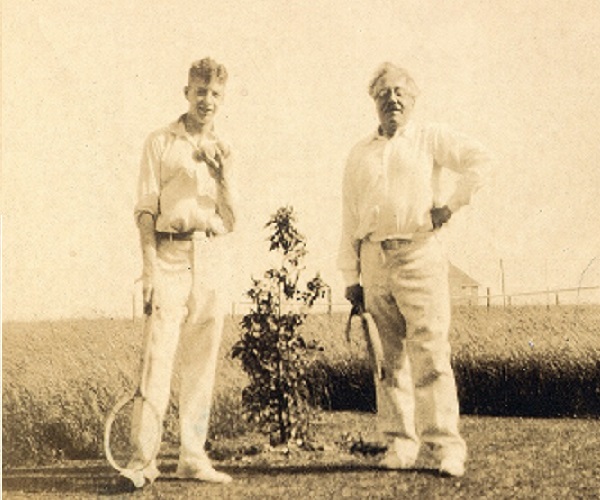
Benjamin Britten and Frank Bridge sport the fashionable tennis gear of their time.
Bridge wrote his take on The Londonderry Air (1908) in response to a request from the Hambourg String Quartet, who asked J D Davis, Hamilton Harty, Eric Coates and Bridge to write four movements based on the Londonderry theme. (Coates and Bridge were both accomplished viola players, as were the other composers in our programme.) Bridge’s contribution is sensitive to the spirit of this beautiful traditional Irish melody, with added input of typically Bridgean colourful harmonies and rhythmic statements. It was written at a time of increased interest in traditional music, with composers such as Vaughan Williams and Bartok integrating traditional sources with their own original compositions.
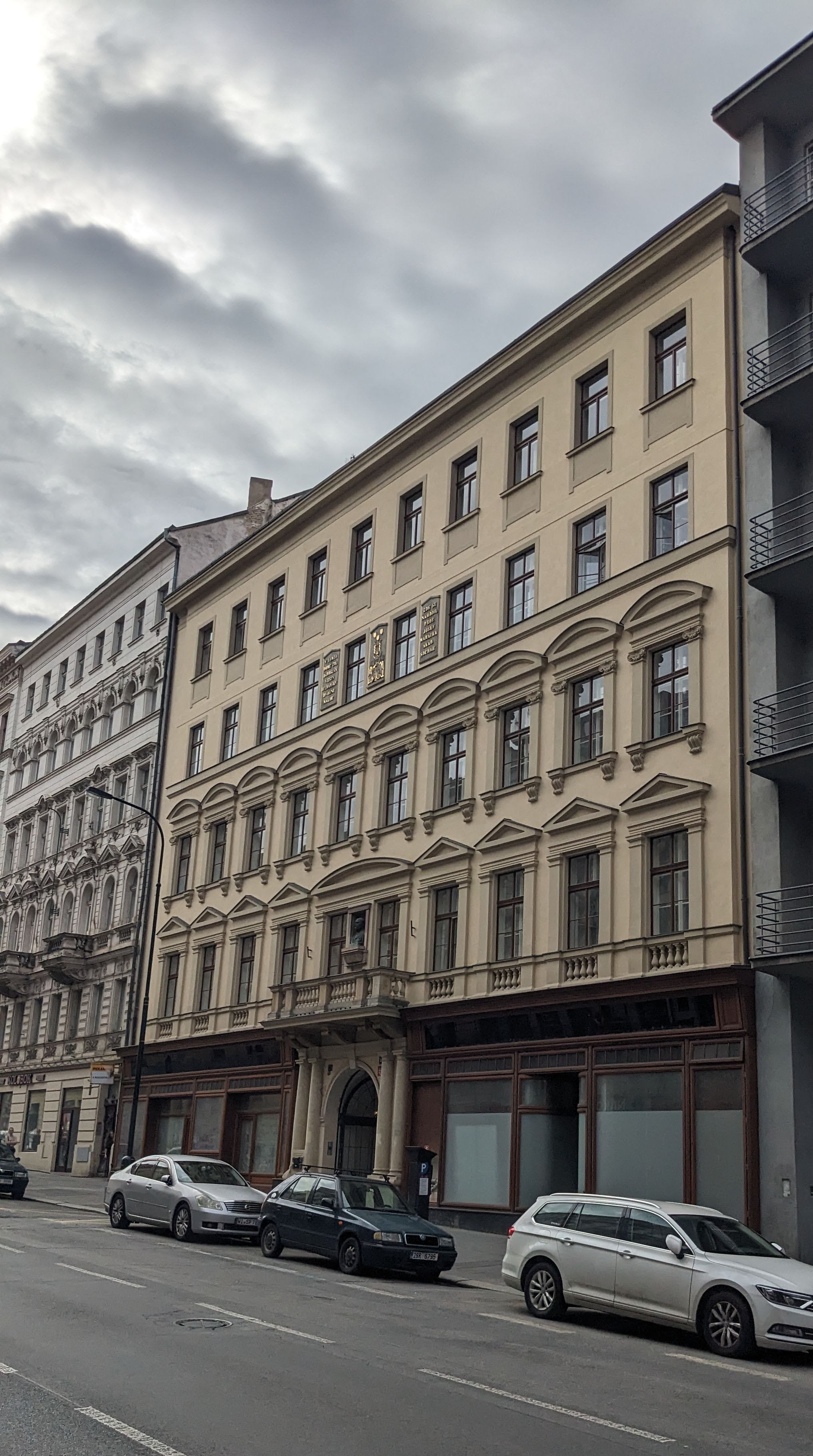
Dvorak’s residence on Zitna Street, Prague, where he lived with his wife Anna and their children at the time that he wrote his ‘Slavonic’ string quartet. (The Dvorak’s lived in an apartment on the second floor.) Photo: Andrew Gillett
Dvorak’s 10th string quartet (Op 51), written 1878-79, was commissioned by Jean Becker of the celebrated and influential Florentine Quartet, who requested a quartet written “in the Slav” spirit, which was exactly what he got. It is a heartfelt work, clearly referencing Slavonic music and dance forms but without driving home a strict nationalist agenda. The listener is swept up in the enjoyment of the characteristic melodies and themes. There are definite hints of parts of the 7th and 8th symphonies, and Dvorak’s love of nature is never far away.
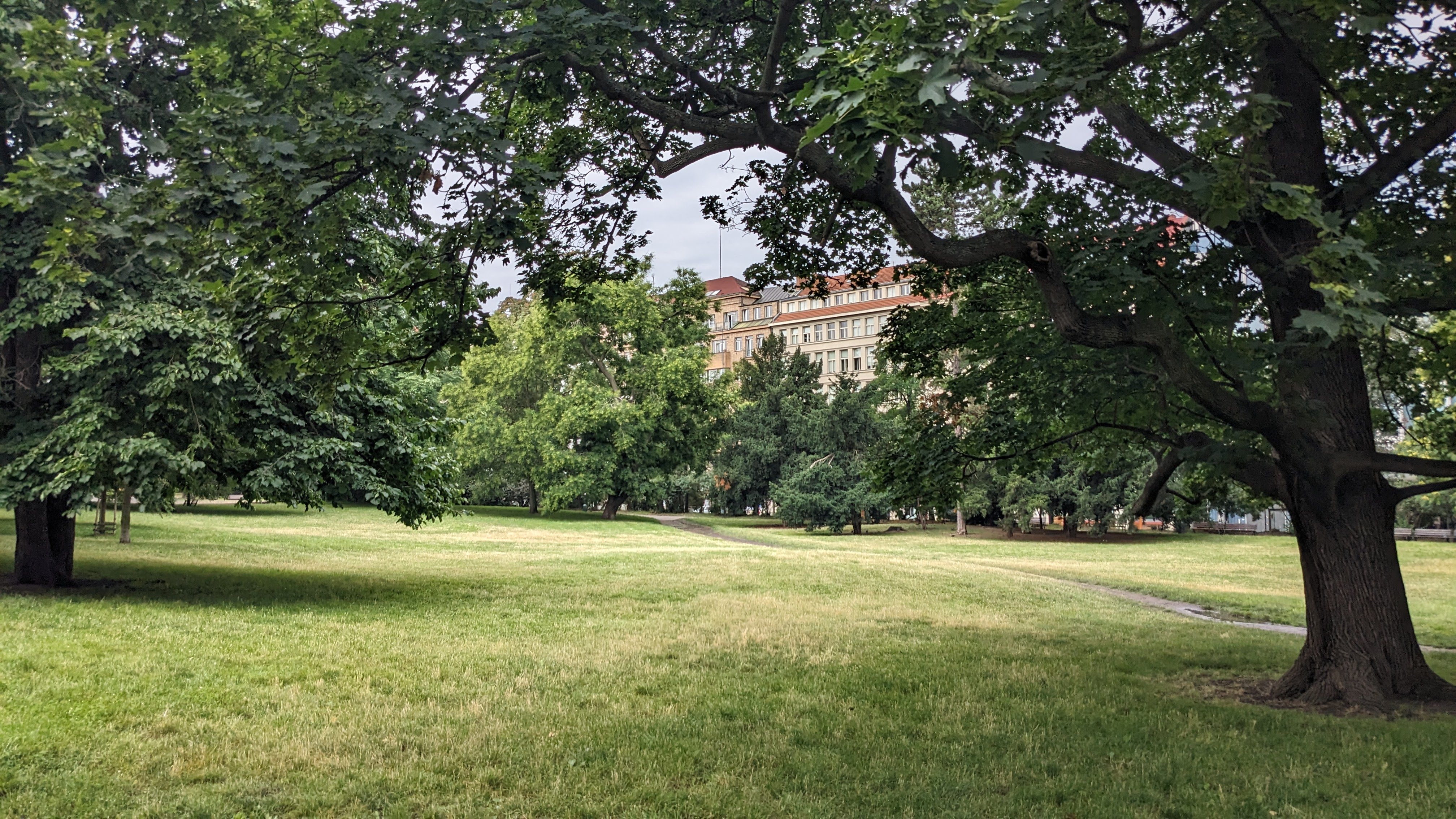
Karlovo park, Prague, a short walk from the Dvorak’s house. Dvorak loved to spend time there on his morning constitutional, when he wasn’t heading off to the train station to indulge is his fondness for anything linked with trains and train travel. Photo: Andrew Gillett
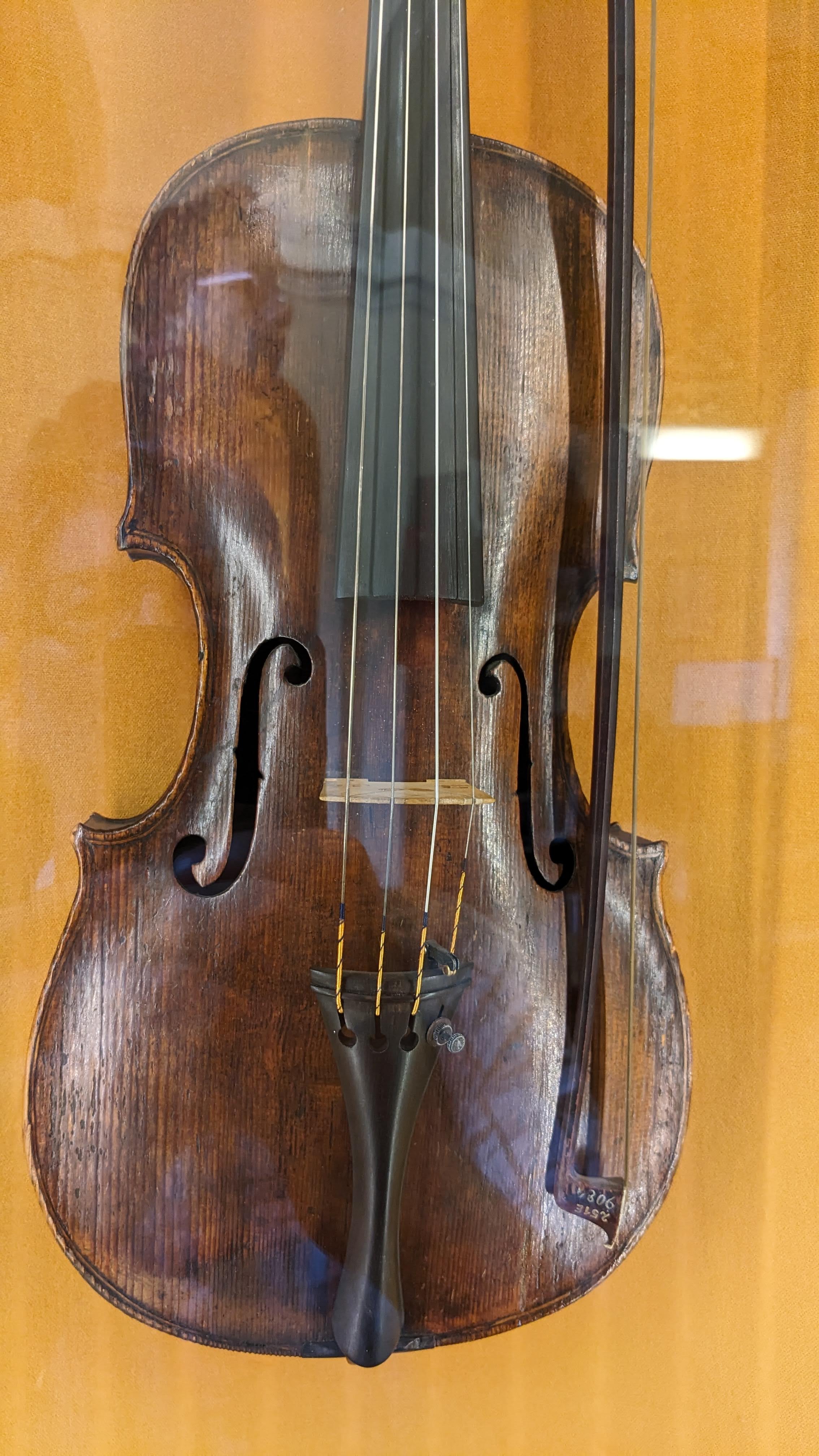
Dvorak’s viola, much used by him in his professional playing career in theatre orchestras and ensembles. Photo: Andrew Gillett
Recent Comments